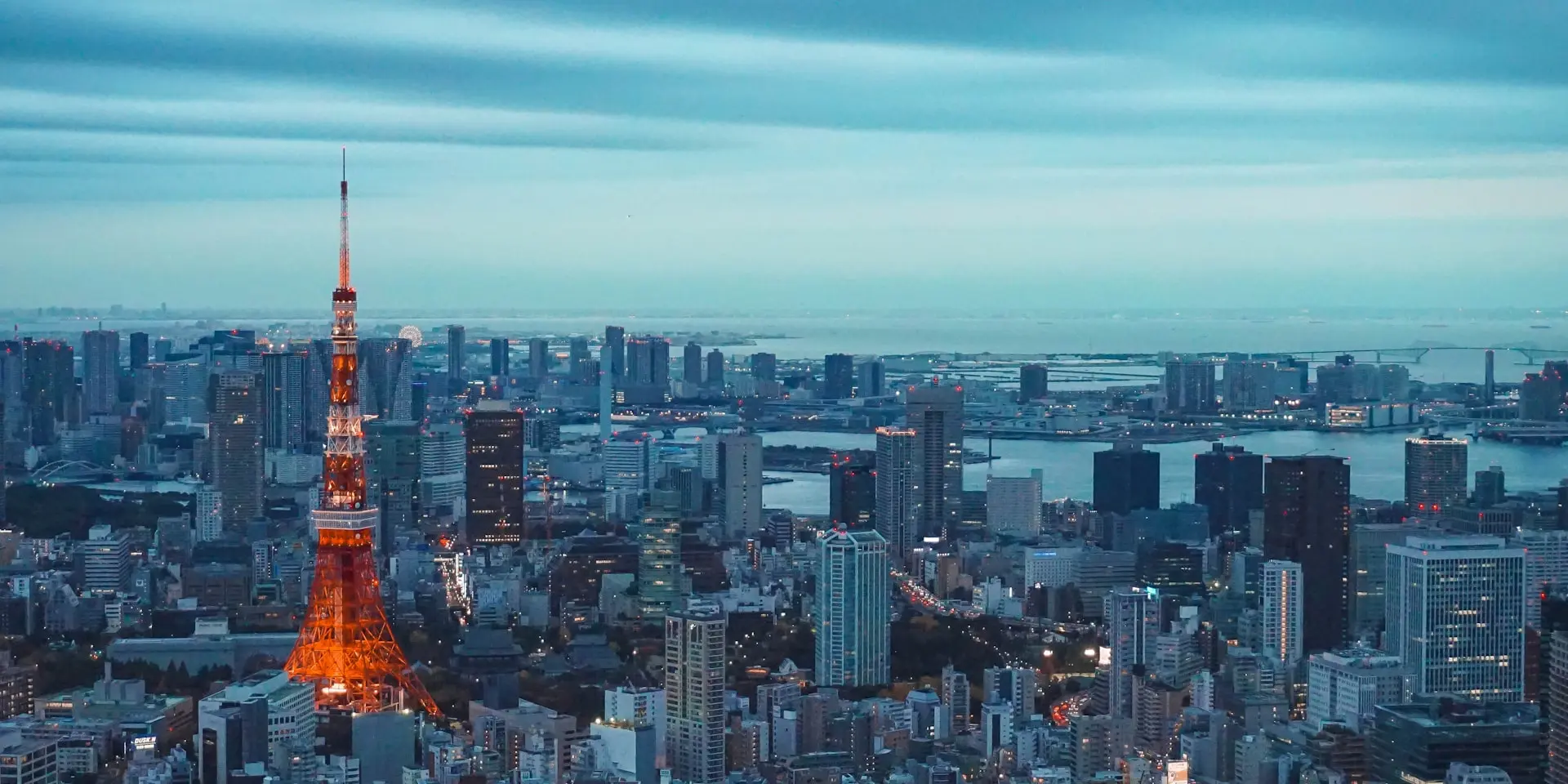
Japan has no bad season — only seasons that suit different travellers. The cherry blossom pilgrim and the powder-snow skier both leave besotted. But they should not go at the same time. This guide breaks down every month so you can choose your Japan, not someone else's.
Spring: Cherry Blossom Season (Late March – Early May)
Cherry blossoms — sakura — are Japan's most famous natural phenomenon and arguably the most photogenic two weeks in any country's calendar. The blooms travel north from Kyushu to Hokkaido over about six weeks, giving planners flexibility to follow the wave.
Typical bloom windows:
- Tokyo (Ueno, Shinjuku Gyoen): Late March to early April
- Kyoto (Maruyama, Philosopher's Path): Late March to early April
- Osaka (Osaka Castle, Kema Sakuranomiya): Late March to early April
- Hirosaki Castle, Aomori: Late April to early May
- Sapporo, Hokkaido: Late April to early May
Full bloom (mankai) lasts only 7–10 days; peak petal-fall (hanafubuki) is the 2–3 days after. Book accommodation 3–4 months ahead for Tokyo and Kyoto in late March. If you can only confirm one week, aim for the first week of April — statistically the safest bet.
Golden Week (late April to early May) is a national holiday cluster. Domestic tourism surges and prices spike 30–50%. If your dates overlap with Golden Week, lean into rural areas — the Kumano Kodo pilgrimage trail in Wakayama, or the Shirakawa-go thatched-roof villages in Gifu — where the crowds are thinner and the scenery equally spectacular.
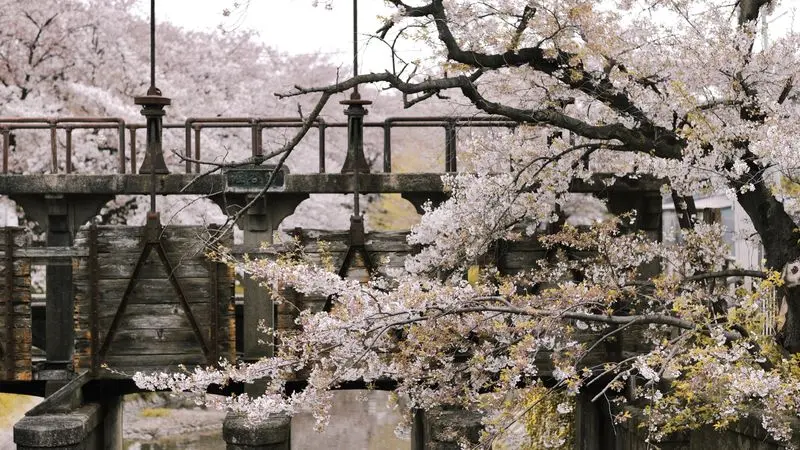
Cherry blossom season hotels sell out fast — compare prices across Tokyo, Kyoto, and Osaka hotels and book early.
Compare Hotel Prices →Summer: Festivals and Fireworks (June – August)
June begins with the tsuyu rainy season in Honshu — grey skies, humidity and daily showers lasting through mid-July. It's not the prettiest time in the cities, but it's when Kyoto's moss gardens and bamboo forests look their most lush, and hotel rates drop significantly.
July and August belong to the matsuri. Japan's summer festival calendar is relentless and spectacular:
- Gion Matsuri (Kyoto, July): Month-long festival culminating in the Yamaboko Junko float parade on July 17 — 1,100 years of tradition.
- Awa Odori (Tokushima, mid-August): 400-year-old dance festival attracting 1.3 million visitors. Dancers in traditional yukata fill every street.
- Obon (mid-August, nationwide): Ancestor memorial week. Expect Bon Odori dance events, lit lanterns on rivers and lakes, and a genuine window into local culture rather than tourist performance.
- Sumida River Fireworks (Tokyo, late July): 20,000 fireworks over the river. Book a riverside restaurant months ahead or join the public crowds on the bridges.
- Fuji Rock Festival (Niigata, late July): Japan's premier music festival, held at the base of Naeba mountain.
The heat is serious — mid-30s Celsius with high humidity in Tokyo and Kyoto. Stay hydrated, wear lightweight clothing, and schedule outdoor sightseeing before 10am or after 5pm. Hokkaido in summer is a revelation: cool, green, and almost tourist-free compared to Honshu.
From Kyoto temple walks to Tokyo street food tours — browse and book top-rated experiences with free cancellation.
Browse Japan Activities →Autumn: Foliage Season (Late September – November)
Many experienced Japan travellers put mid-October to mid-November above cherry blossom season. The crowds are 20–30% lighter, prices are lower than spring, the weather is crisp and clear, and the koyo (autumn foliage) colours — deep crimson, amber, burnt orange — are as visually dramatic as any sakura.
Foliage timelines by region:
- Hokkaido (Daisetsuzan National Park): Mid-September to mid-October — Japan's earliest colours
- Tohoku (Hachimantai, Bandai):: Early to mid-October
- Nikko, Tochigi: Mid to late October
- Kyoto (Tofukuji, Eikan-do, Arashiyama): Mid to late November — peak is typically around November 20–25
- Tokyo (Rikugien, Shinjuku Gyoen): Late November to early December
The Kyoto autumn window is genuinely one of the most beautiful experiences on the planet. Temple gardens that are merely lovely in summer become extraordinary. Book Kyoto accommodation for the third and fourth week of November as early as you possibly can — it sells out months in advance.
Winter: Snow Monkeys and Powder Skiing (December – February)
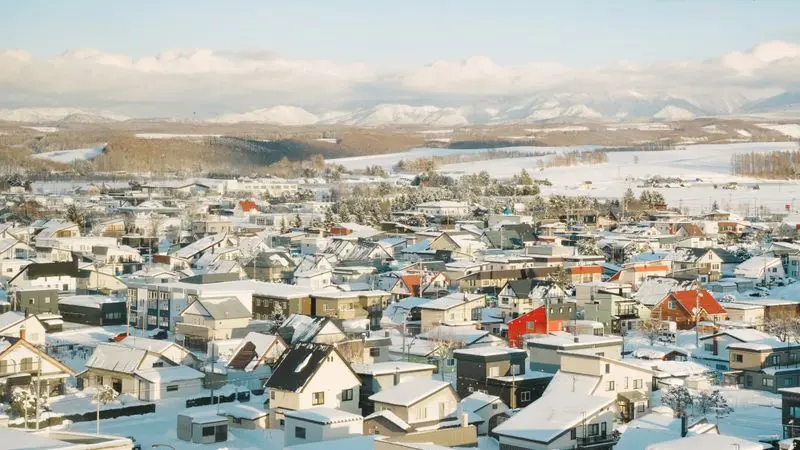
Winter is Japan's most underrated season and often its best value. December brings the illumination events (illumination) — thousands of LED lights transforming shopping districts and garden parks. Kobe Luminarie commemorates the 1995 earthquake and draws millions. Nabana no Sato in Mie Prefecture is 7 million bulbs across a botanical garden.
January and February are the coldest months and when Japan's world-class ski resorts peak:
- Niseko, Hokkaido: The powder capital of Japan. Gets 15+ metres of snow annually. Well-connected international resort with excellent English signage. Compare Niseko hotel prices.
- Hakuba, Nagano: Olympic legacy resort. 7 interconnected ski areas. Convenient day trip from Tokyo (2 hours by express train).
- Nozawa Onsen: Traditional village resort. Steep terrain, deep local character, and a legendary communal onsen bath.
The snow monkeys of Jigokudani Monkey Park in Nagano are a winter icon — wild Japanese macaques bathing in the natural hot spring, snow falling around them, utterly indifferent to the cameras. The walk from Kanbayashi Onsen takes about 30 minutes through forest. Go early morning (opening time is 9am) to beat the coach tour groups and catch the monkeys most active.
- Tokyo in January averages 10°C / 50°F — mild but require layers
- Kyoto and Osaka see light snow a few times per winter — magical on temple rooftops
- Hokkaido temperatures reach −20°C — pack accordingly
- New Year (Jan 1–3) is as crowded as Golden Week; everywhere closes; book in advance
- Sapporo Snow Festival (early February): giant ice sculptures, 2 million visitors
The bullet train is the best way to travel Japan — compare routes, times, and prices for Shinkansen and express trains.
Compare Train Tickets →Photo Spots — Three Unmissable Frames
-
1Arashiyama Bamboo Grove, KyotoThe towering green stalks create a cathedral-like corridor along the path from Tenryu-ji to Okochi Sanso garden. The light filtering through is best in the morning when the bamboo glows green-gold. The grove itself is short (about 500 metres), so move through it more than once at different light angles.Best time: 6:30–8:00am to beat tour groups. Spring and autumn offer best light.
-
2Mt Fuji Chureito Pagoda, FujiyoshidaThe five-storey Chureito Pagoda with Fuji as a backdrop is one of the most recognisable compositions in all of Japanese photography. 398 stone steps lead up from Arakura Sengen Shrine to the pagoda lookout. In late March, cherry blossoms frame the entire scene. In winter, Fuji's snowcap is sharpest — go on a clear morning after a cold night.Best time: Golden hour, clear cold mornings. The pagoda faces east-southeast — perfect for morning light on Fuji.
-
3Fushimi Inari-taisha, KyotoThe mountain trail behind Fushimi Inari's main gate is lined with thousands of vermilion torii gates stretching 4km up Mt Inari. The dense gate corridors (senbon torii) at the base photograph beautifully — but the real reward is climbing to the upper mountain shrines. Most tourists stop at the first rest hut; go to Yotsutsuji intersection (about 45 minutes up) and you'll have the upper gates almost entirely to yourself.Best time: Weekday mornings or after 6pm. The shrine is open 24 hours and beautiful after dark.
Month-by-Month at a Glance
January: Cold, low crowds, New Year festivals, snow in north. Ski season peaks.
February: Coldest month. Sapporo Snow Festival. Plum blossoms begin in south.
March: Cherry blossoms start in Kyushu and southern Honshu (late March).
April: Peak sakura in Tokyo and Kyoto (early April). Golden Week crowds late April.
May: Green and warm. Shibazakura (moss phlox) fields at Fuji. Quieter than April.
June: Rainy season begins. Low prices. Hydrangea gardens bloom.
July: Hot and humid. Major summer festivals begin. Gion Matsuri in Kyoto.
August: Hottest month. Obon. Fireworks everywhere. Go north for cooler Hokkaido.
September: Heat breaks. Typhoon risk mid-month. Silver grass plains begin turning.
October: Perfect weather. Autumn colour begins in north. Excellent shoulder season.
November: Peak autumn foliage. Kyoto's most beautiful month. Book far ahead.
December: Illumination season. Christmas in Japan feels festive and KFC is everywhere (genuinely).
Hotels, guided tours, and train tickets — compare and book everything you need for Japan.
Ready to plan your Japan trip?
Tell Tripva when you're travelling, your interests, and your pace — and we'll build a complete day-by-day itinerary with hotel recommendations, transport routes, and timing notes. Takes 30 seconds.
Plan Your Japan Trip ✦