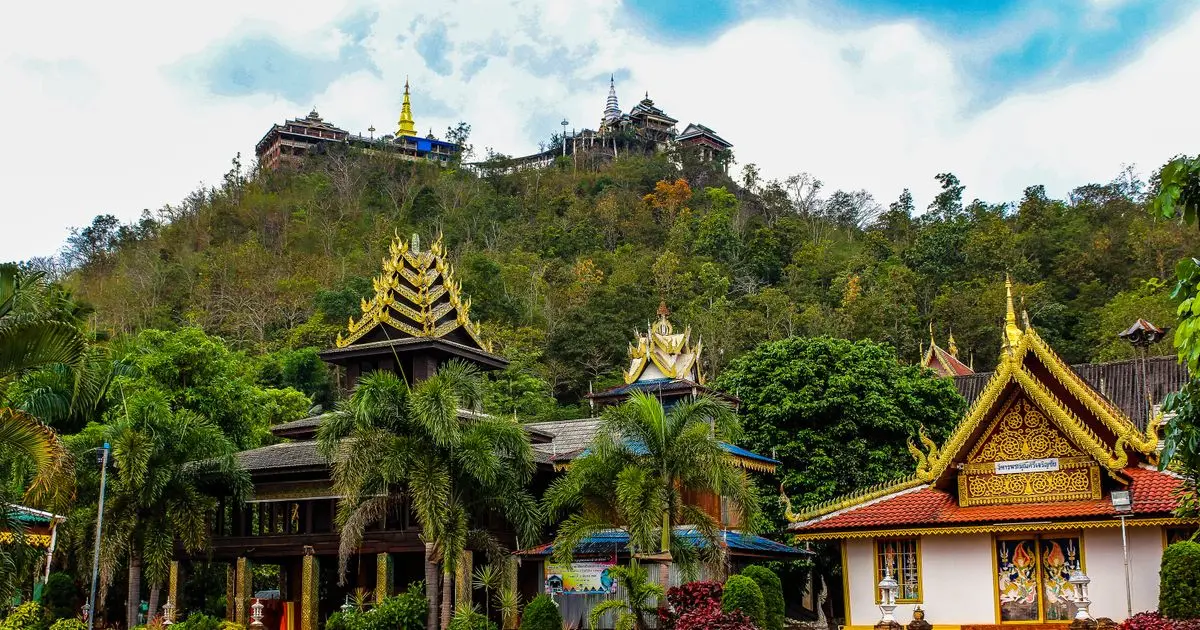
The "$50 a day in Southeast Asia" figure gets thrown around so often it's become a meme. But it's still true in 2026 — with one important caveat: it requires actual decisions, not just hope. Staying in beachfront "budget resorts" and taking taxis everywhere will blow past $50 by lunch. This guide gives you real numbers, real trade-offs, and the booking behaviours that make it work.
All prices are in USD. Costs are based on mid-2025 to early 2026 data. Exchange rates shift, so build in a 10–15% buffer.
Thailand: The Classic Route
Thailand remains one of the easiest countries for budget travel in the region. The infrastructure is excellent, English is widely spoken in tourist areas, and the competition between guesthouses and tour operators keeps prices honest.
Accommodation
Bangkok guesthouses in the Banglamphu area (near Khao San Road, but avoid Khao San itself) run $10–18 per night for a clean private room with air-conditioning. In Chiang Mai, you can find excellent private rooms for $12–20. On the islands, prices depend heavily on whether you're in high season (December–March). Koh Lanta in shoulder season offers bungalows at $15–22; Koh Samui's budget end sits at $18–28.
Booking strategy: Book Bangkok and Chiang Mai 2–4 weeks ahead on Hostelworld or Booking.com. For island accommodation, book 2–3 nights max — then extend in person if you want to stay. Walking in and negotiating often beats online rates by 20–30%.
Food
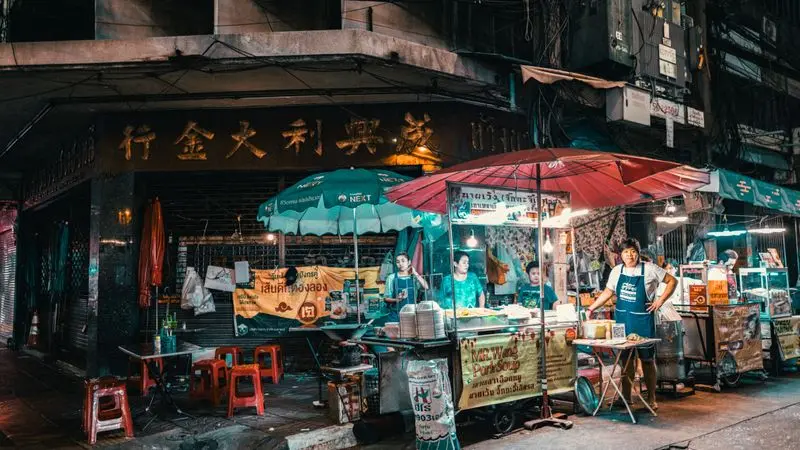
Street food is where Thailand's budget case is most compelling. A bowl of pad krapao (basil stir-fry on rice) from a market stall costs 50–70 baht ($1.40–2.00). A fresh papaya salad is 40–60 baht. A freshly squeezed fruit juice is 25–40 baht. You can eat three excellent meals plus snacks for $6–8 if you eat where locals eat.
The trap is air-conditioned "tourist restaurants" that charge 3–5x street food prices for the same dish. Avoid the tourist menu; look for plastic chairs, handwritten signs, and the smell of a wok.
Transport
- Bangkok BTS/MRT: 16–59 baht ($0.45–1.70) per journey — always use it instead of taxis
- Bangkok to Chiang Mai overnight train: 700–1,200 baht ($19–33) for a sleeper berth
- Chiang Mai to Bangkok by bus: 400–600 baht ($11–17)
- Ferry to Koh Lanta (from Krabi): 350–450 baht ($9–12)
- Motorbike rental on islands: 150–250 baht/day ($4–7)
| Category | Budget option | Daily cost |
|---|---|---|
| Accommodation | Guesthouse private room with AC | $12–18 |
| Food | 3 street food meals + snacks | $6–10 |
| Transport | BTS/bus/moto-taxi | $3–6 |
| Activities | 1 activity/entrance per day | $5–10 |
| Sim card & misc | — | $2–3 |
| Total | — | $28–47 |
Compare hundreds of Bangkok hotels from budget guesthouses to boutique stays, and book skip-the-line tours and experiences.
Vietnam: The Best-Value Country in the Region
Vietnam in 2026 is arguably the best-value destination in all of Southeast Asia. The food is extraordinary at the budget level — arguably the best street cuisine in the world for under $2 a meal. The country's north-to-south geography makes it ideal for long multi-week trips.
The Classic Route: Hanoi → Hue → Hoi An → Ho Chi Minh City
This route takes 3–4 weeks at a comfortable pace. The cheapest way to cover it is the Open Bus Ticket (various operators, ~$30–45 total), which lets you hop on and off at any stop along the coast.
Costs in depth
- Banh mi: 20,000–35,000 VND ($0.80–1.40) — this is a meal
- Pho: 35,000–60,000 VND ($1.40–2.40)
- Bun cha: 40,000–55,000 VND ($1.60–2.20)
- Ca phe trung (egg coffee, Hanoi): 35,000–50,000 VND ($1.40–2.00)
- Guesthouse private room (Hanoi Old Quarter): $10–16
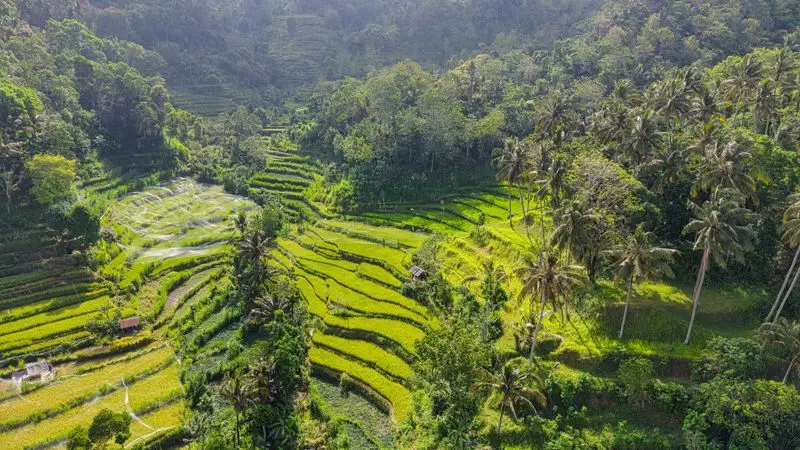
- Homestay in rice paddies (Sapa, Mu Cang Chai): $8–15 including dinner
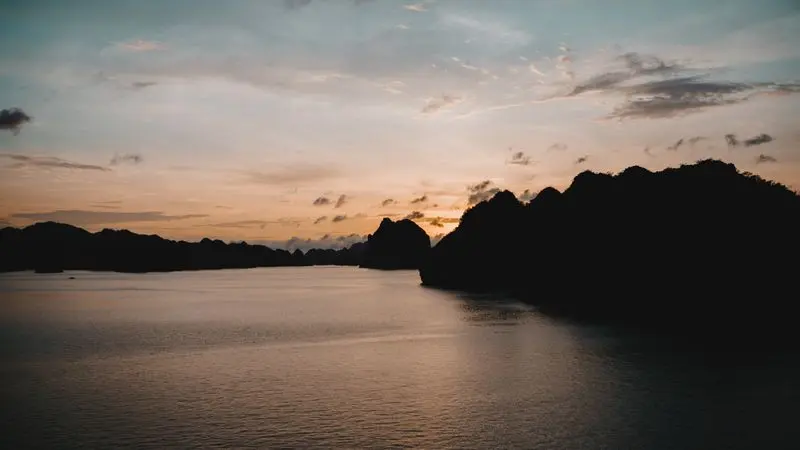
- Halong Bay budget cruise (2 nights): $85–120 — book through a Hanoi travel agency, not online, to get better deals
In Hanoi and HCMC, fake taxis (lookalike liveries of Vinasun and Mai Linh) are a real problem. Use the Grab app (Southeast Asia's Uber) for every car journey. It's priced in advance, fair, and the driver can't take a detour. Download before you land.
Compare Hanoi guesthouses and hotels, and book buses, trains, and ferries across Vietnam with verified operators.
Bali: More Expensive Than It Was, Still Doable
Bali has drifted upmarket over the last five years. The Instagram villa economy has pushed mid-range accommodation prices up significantly in Seminyak and Canggu. But the budget tier still works — you just need to be in the right areas.
Ubud remains the best-value base: central location for inland Bali, excellent cheap warungs (local restaurants), and a guesthouse market that keeps prices competitive. A clean private room with a pool (shared) in Ubud runs $18–28/night — a category that would cost $80+ in Seminyak.
Where the money goes in Bali
- Temple entrance fees: Tanah Lot, Uluwatu, Tirta Empul each charge $4–6 for foreigners
- Motorbike rental: 70,000–100,000 IDR/day ($4.30–6.20) — essential for flexibility
- Warung meals: 20,000–45,000 IDR ($1.25–2.80) — nasi campur, mie goreng, fresh juices
- Cooking class: $25–35 for a 4-hour session including market visit — one of Bali's best-value experiences
- Surf lesson (Kuta/Seminyak): $20–30 for 2 hours with board rental
Avoid: Eating on the main tourist streets of Seminyak and Kuta. Walk one street back and prices drop by half. The rice paddy warungs around Tegalalang charge tourist prices for the view; the actual good food is in Ubud's Jalan Dewi Sita night market.
Compare prices from hundreds of Bali hotels — from Ubud guesthouses to beachfront stays in Seminyak and Canggu.
Compare Bali Hotel Prices →Malaysia: Southeast Asia's Underrated Budget Gem
Malaysia is chronically underrated on the backpacker circuit because it lacks a single "hook" destination like Thailand's islands or Vietnam's history. This is your advantage — it's cheaper, cleaner, and less crowded than its neighbours.
Kuala Lumpur has Asia's best budget food court culture. The hawker centres in Jalan Alor, Chinatown (Petaling Street), and Brickfields (Little India) serve full meals from 5–15 MYR ($1.10–3.40). The public transport system (MRT, LRT, monorail) is excellent and cheap — a day pass is 10 MYR ($2.20).
Penang is the food capital of Malaysia and possibly Southeast Asia. George Town's hawker stalls (cendol, char koay teow, asam laksa) are world-class street food for $1–2 per dish. The city is also a UNESCO Heritage Site — the British colonial architecture, clan jetties, and street art make it one of Asia's most photogenic destinations.
Malaysian Borneo (Kota Kinabalu, Miri): Budget flights on AirAsia connect KL with Sabah and Sarawak for $15–35 each way. Mt Kinabalu permits now require advance booking (book 3–6 months ahead via the Sabah Parks website) and cost $100–150 for the 2-day climb including accommodation at the Pendant Hut. Worth every ringgit.
- Use Google Flights Explore to find cheapest regional hubs (usually KL or Bangkok)
- Book AirAsia for intra-regional flights — their lowest fares are often 20–40% cheaper than Skyscanner's cached prices. Check directly.
- Avoid booking accommodation more than 3–5 nights in advance — flexibility is worth more than the minor savings from pre-booking
- For buses, use 12Go Asia for verified routes and prices; avoid street touts at bus stations
- Travel insurance: World Nomads or SafetyWing (~$1.50–2.50/day) — never skip it in SE Asia
Compare routes and book transport between cities across Thailand, Vietnam, Malaysia, and beyond with verified operators on 12Go.
Search Southeast Asia Routes →Common Budget Mistakes (and How to Avoid Them)
- Flying into tourist airports: Bangkok's Suvarnabhumi is more expensive for accommodation than Don Mueang. If you're heading north immediately, Don Mueang is better-positioned and cheaper overall.
- Exchanging money at the airport: Airport rates are 5–12% worse than city ATMs. Use a card with no foreign transaction fees (Charles Schwab, Wise, Revolut) and withdraw at bank ATMs — not independent ATMs, which add a 200–250 baht flat fee.
- Peak season assumption: December–January in Thailand is 30–50% more expensive than May–June. If your dates are flexible, shoulder season (May–June, September–October) saves significant money with only slightly higher rain risk.
- Organised tours for everything: Hiring a motorbike for $5/day and navigating via Google Maps is almost always superior to a $25 group tour — and you control the pace.
- Cheap alcohol habit: Drinks in Thailand, especially on islands, can easily add $15–25 to a daily budget. Budget accordingly or embrace the iced coffee and fresh fruit juice culture instead.
Everything you need to lock in budget prices — hotels, transport between cities, and tours across the region.
Planning a Southeast Asia trip?
Tell Tripva your destinations, travel dates, and daily budget — and we'll build a day-by-day itinerary with recommended accommodation tiers, transport links, and meal spots that hit your numbers.
Plan Your SE Asia Trip ✦